
Healthcare Education Is About More Than Preparing Students to Do the Job
When people think about healthcare education, they often picture anatomy labs, clinical rotations, simulations, licensure exams, and countless hours spent mastering technical knowledge. Those images are accurate, but they only tell part of the story.
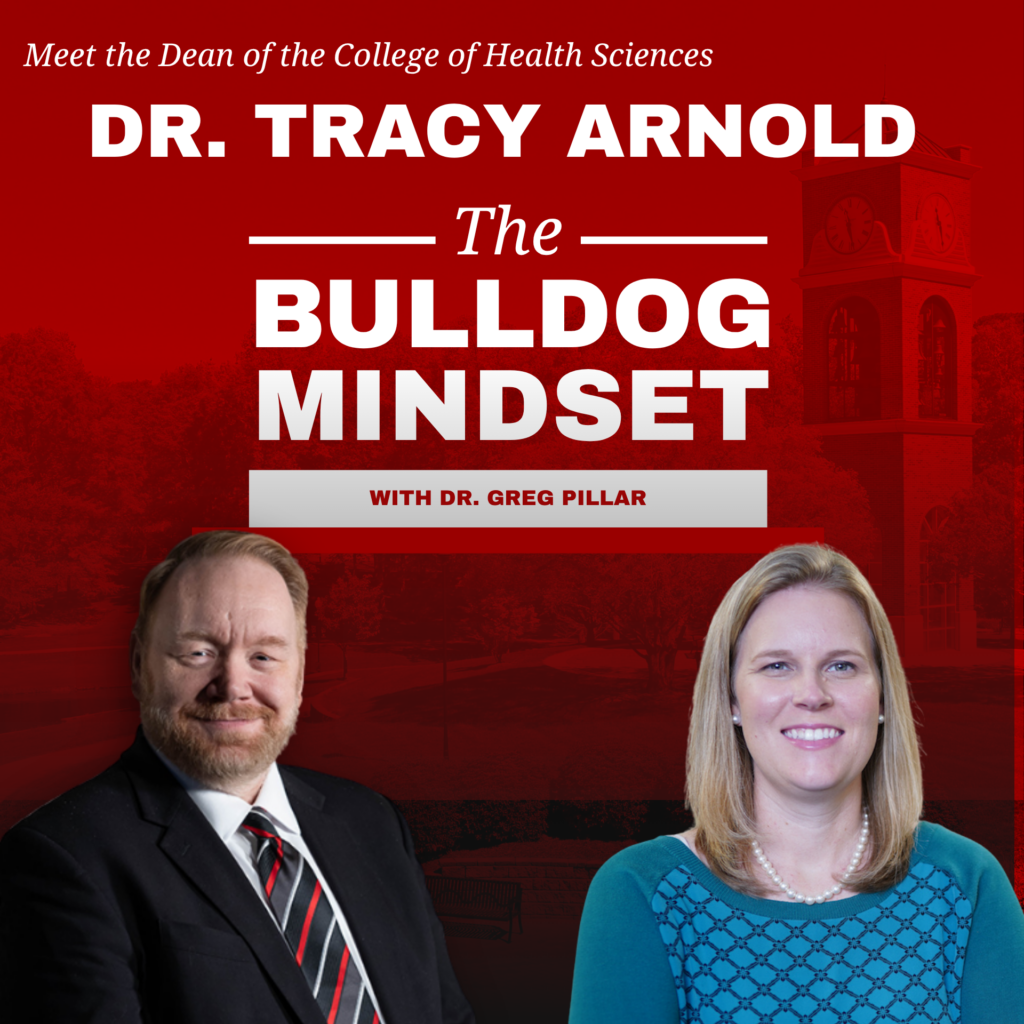
In my recent conversation with Dr. Tracy Arnold, Dean of the College of Health Sciences at Gardner-Webb University, we explored the growing demand for healthcare professionals, emerging opportunities across the health sciences, and the exciting vision for the college’s future. Yet throughout the discussion, another theme continued to emerge. Healthcare education is not simply about preparing students to perform a profession. It is about preparing them to carry the responsibility that comes with that profession.
That distinction matters because responsibility changes how we educate students.
Unlike many fields, the consequences of poor decisions in healthcare are immediate and deeply personal. A misunderstanding, a missed observation, a communication breakdown, or a failure to recognize when something isn’t right can directly affect another person’s health—or even their life. Technical competence is essential, but technical competence alone is never enough.
As Dr. Arnold noted during our conversation, students often arrive expecting to learn the technical aspects of nursing, physician assistant studies, counseling, or exercise science. They expect to learn procedures, protocols, medications, assessments, and treatment plans. What many do not initially recognize is that becoming a healthcare professional also requires developing judgment, resilience, adaptability, communication, and the confidence to act when circumstances demand it. Those qualities cannot simply be taught through a lecture or measured by an exam. They must be cultivated through experience.
The Hidden Curriculum May Be the Most Important Part of the Curriculum
One of my favorite segments on the Bulldog Mindset podcast is our discussion of the hidden curriculum, the lessons students learn that never appear in the syllabus but often become the most influential parts of their education.
Healthcare education offers perhaps one of the clearest examples of this concept.
Students learn to collaborate with people whose personalities differ from their own. They navigate conflict within teams. They receive difficult feedback. They communicate with faculty, clinical preceptors, patients, and families. They learn to remain composed when situations become stressful and uncertain. Throughout the process, they begin developing the professional habits that will ultimately define the kind of healthcare provider they become.
These experiences are not distractions from learning the profession. They are fundamental to learning the profession.
Higher education often emphasizes knowledge acquisition, but professional education requires something deeper. It requires transformation. Students are not simply accumulating information; they are developing the judgment and professional identity needed to apply that knowledge responsibly when real people are depending on them.
Evidence-Based Practice Is Really About Learning How to Think
Another part of our conversation focused on undergraduate scholarship and the role of Scholars Day within the College of Health Sciences. At first glance, research presentations may seem disconnected from day-to-day clinical practice. After all, most graduates will spend their careers caring for patients rather than conducting formal research.
Yet scholarship serves a much larger purpose.
Healthcare continues to evolve. New treatments emerge. Clinical guidelines change. Technology advances. What students memorize today may look different ten years from now. The ability to evaluate evidence, ask thoughtful questions, interpret research, and make informed decisions becomes far more valuable than simply remembering facts.
That is why evidence-based practice occupies such an important place within healthcare education. It teaches students not only what current evidence says but also how to continually evaluate new evidence throughout their careers. In many ways, the goal is not simply producing competent practitioners for today’s healthcare system. It is preparing professionals who will continue learning throughout decades of practice as that system continues to change.
That lesson extends well beyond healthcare. In every profession, graduates will encounter challenges that did not exist when they were students. The capacity to learn, adapt, and think critically often proves more valuable than any single body of knowledge acquired during college.
Preparing Professionals Means Preparing Leaders
One of the themes that quietly surfaced throughout our conversation was leadership. Dr. Arnold described her own journey from bedside nursing to faculty member, department leadership, and ultimately dean. She also spoke about mentoring faculty and intentionally preparing future leaders within the college.
What stood out was that each step in that journey required something different.
Early in a career, success often depends on technical competence. As responsibilities increase, communication becomes more important. Leadership requires collaboration, strategic thinking, mentoring others, and helping organizations navigate change. The higher one advances, the less success depends solely on what someone knows and the more it depends on how they think, communicate, and develop the people around them.
Perhaps that is one of the most important responsibilities colleges and universities carry.
Degrees certify knowledge. Education should cultivate judgment.
Healthcare simply makes that reality impossible to ignore because the stakes are so visible. Yet the same principle applies across every discipline. Whether graduates become nurses, counselors, engineers, teachers, scientists, accountants, or entrepreneurs, their long-term success will depend on far more than technical expertise alone.
The best colleges prepare students not only to perform a profession but to shoulder the responsibilities that accompany it. They develop professionals who can think clearly under pressure, communicate effectively, continue learning throughout their careers, and lead with integrity when others depend on them.
Those qualities may never appear on a transcript, but they are often the ones that define a graduate’s career long after commencement.