

As an administrator and faculty member in higher education, it might seem unusual for me to write about alternatives to college. However, after years of experience, I’ve seen too many students jump headfirst into college due to pressure from friends, family, and others who insist it is the only acceptable next step after graduation. While college can be a fantastic opportunity for growth and development, it’s not always the best immediate environment for every student.
College is not for everyone right after high school. Don’t get me wrong—I strongly believe college should be accessible to everyone, and there should be a path for anyone who wants to pursue a college degree. It remains a highly desirable path to a fulfilling and meaningful life, but we must adjust our mindset about when is the right time for college.
Importantly, suggesting alternatives to college doesn’t mean colleges and universities can’t or shouldn’t be part of those alternatives. On the contrary, higher education institutions can and should lead efforts to instill a lifelong learning mindset.
With rising tuition costs, mounting student debt, and a competitive job landscape, many students and their families are considering alternative paths that offer practical experience, financial savings, and the opportunity to explore different career options. Recent insights from the American Opportunity Index and LinkedIn highlight various avenues high school graduates can explore before committing to a four-year college. Here’s a closer look at some viable alternatives and why delaying college might be the best choice for some students.
1. The Growing Appeal of Apprenticeships
One of the most promising alternatives to college is the rise of apprenticeships. These programs offer hands-on training in various fields, allowing students to earn while they learn. Apprenticeships are becoming increasingly popular in industries such as technology, healthcare, advanced manufacturing, and construction.
According to the American Opportunity Index, apprenticeships provide young people with valuable skills and real-world experience, making them highly attractive to employers. Companies like IBM and Siemens have established robust apprenticeship programs, offering pathways to well-paying jobs without the need for a college degree.
Benefits of Apprenticeships:
- Practical Experience: Apprentices gain hands-on experience, working alongside professionals in their chosen fields.
- Earn While You Learn: Unlike traditional college, apprenticeships offer a salary while gaining skills, reducing or eliminating student debt.
- Industry Recognition: Apprenticeships often come with certifications or credentials recognized by industry leaders, enhancing employability.
Example Programs:
- IBM’s New Collar Initiative: This program focuses on hiring employees based on skills rather than degrees, offering apprenticeships in cybersecurity, software engineering, and data analysis.
- Siemens USA: Siemens offers apprenticeships in advanced manufacturing and engineering, providing a pathway to full-time employment with competitive salaries.
Additional Insight: According to a Forbes article, apprenticeships can be a valuable alternative to traditional college education, focusing on practical skills and industry demand. This approach aligns well with the current workforce’s need for skilled labor.
2. Trade Schools: A Fast Track to a Career
Trade schools, also known as vocational schools or technical colleges, are another viable alternative to a four-year degree. These institutions focus on teaching specific skills for particular careers, such as plumbing, electrical work, automotive technology, and culinary arts.
As noted in their LinkedIn article, the American Opportunity Index emphasizes that trade schools often lead to lucrative careers with strong job security. Many trades are experiencing shortages of skilled workers, leading to high demand and attractive salaries.
Benefits of Trade Schools:
- Shorter Programs: Most trade school programs are shorter than traditional degrees, allowing students to enter the workforce quickly.
- Cost-Effective: Trade schools are generally more affordable than four-year colleges, leading to less student debt.
- High Demand: Many trades are in high demand, offering job security and competitive wages.
Examples of High-Demand Trades:
- Electricians: With a growing need for electrical infrastructure, electricians are in high demand, with salaries averaging over $56,000 per year.
- HVAC Technicians: The demand for heating, ventilation, and air conditioning (HVAC) technicians is rising as more buildings and homes require climate control systems.
Additional Insight: A CNBC article argues that increasing investment in trade schools and vocational education, rather than expanding four-year college programs, may be a more effective way to reduce income inequality in the U.S. Researchers suggest that vocational training better aligns with the needs of the manufacturing industry, which has seen a decline in jobs due to automation and outsourcing. While college degrees have traditionally been associated with higher incomes, the “college premium” is diminishing, especially for students burdened with debt. By improving vocational education, more workers could access stable, well-paying jobs, thereby narrowing the income gap. Germany’s education system is highlighted as a successful model where a focus on vocational training supports its manufacturing sector, suggesting that the U.S. could benefit from a similar approach.
3. Gap Years: Time for Exploration and Growth
Taking a gap year—a break between high school and college—has become increasingly popular among students seeking personal growth, travel, work experience, or volunteer opportunities. A gap year can provide valuable life experiences, helping students clarify their career goals and academic interests before committing to a college education.
Benefits of a Gap Year:
- Personal Growth: A gap year offers the opportunity for self-discovery, allowing students to explore interests and passions.
- Career Exploration: By working or volunteering in various fields, students can gain insights into potential career paths.
- Improved Academic Performance: Studies suggest that students who take gap years often perform better academically when they eventually enroll in college.
Gap Year Resources:
- AmeriCorps: Offers various volunteer programs in the U.S., providing hands-on experience in education, disaster response, and community development.
- Workaway: A platform that connects travelers with hosts worldwide for cultural exchange and volunteer opportunities.
Additional Insight: According to U.S. News & World Report, taking a gap year can lead to personal growth and improved academic performance. By stepping back and reflecting on their goals, students can make more informed decisions about their future education and career paths.
4. Direct Entry into the Workforce
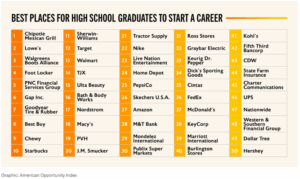
For some students, directly entering the workforce after high school can be a strategic move. Many industries offer entry-level positions with opportunities for advancement and on-the-job training. This path allows students to gain work experience, earn an income, and potentially receive employer-sponsored education benefits.
Benefits of Entering the Workforce:
- Immediate Income: Starting a job right after high school provides financial independence and stability.
- Career Advancement: Many companies offer training and development programs, allowing employees to advance without a degree.
- Employer-Sponsored Education: Some employers offer tuition assistance or reimbursements for employees seeking further education.
Industries with Entry-Level Opportunities:
- Retail and Customer Service: Companies like Amazon and Walmart offer career advancement programs for entry-level employees.
- Technology and IT Support: Many tech companies hire high school graduates for roles in IT support and customer service, with opportunities for growth.
Why Delaying College Might Be the Right Choice
For some high school graduates, delaying college can offer significant benefits. Here are a few reasons why taking time before pursuing a degree might be the right decision:
Clarity and Focus:
Delaying college allows students to explore different interests, gain work experience, and better understand what they want to study. This clarity can lead to more informed decisions about their educational and career paths, potentially saving time and money in the long run.
Financial Savings:
College tuition continues to rise, leading to significant student debt. By working or exploring other options before college, students can save money, reduce their reliance on loans, and potentially receive employer-sponsored education benefits.
Skill Development:
Practical experience gained through work, apprenticeships, or volunteering can provide valuable skills that are often not taught in a traditional classroom setting. These skills can make students more attractive to employers and better prepared for their future careers.
The decision to go to college immediately after high school is not a one-size-fits-all solution. With various alternatives available, students have the opportunity to explore different paths that align with their interests, goals, and financial situations. Whether through apprenticeships, trade schools, gap years, or direct entry into the workforce, there are numerous ways for high school graduates to build successful and fulfilling careers. By considering these options, students can make informed decisions that set them on a path to success in today’s dynamic job market.
Here are three ideas colleges and universities can implement to better serve students who might delay going to college, based on the insights and trends discussed in the blog post:
1. Develop Flexible Learning Pathways and Stackable Credentials
Offer Modular Courses and Programs:
Colleges and universities can create flexible learning pathways that allow students to build their education over time. Offering stackable credentials, such as micro-credentials and certificates, enables students to acquire specific skills that can be applied in the workforce immediately. These credentials can later be combined into a full degree when the student decides to continue their education.
Benefits:
- Accessibility: Students who aren’t ready to commit to a full degree program can still gain valuable skills and knowledge.
- Career Advancement: Modular programs allow students to advance their careers by acquiring skills that meet immediate job market demands.
- Lifelong Learning: Encourages a culture of lifelong learning, where students can return to education as needed to enhance their careers.
Implementation:
- Collaborate with industries to identify skills in demand and design courses that meet those needs.
- Develop online and hybrid courses to provide flexibility for students who may be working or have other commitments.
- Ensure that credits earned through these programs can easily transfer into degree programs if students choose to pursue further education.
2. Strengthen Partnerships with Industries and Apprenticeship Programs
Collaborate with Businesses for On-the-Job Training:
By partnering with local businesses and industries, colleges can create apprenticeship and co-op programs that provide students with real-world experience while earning credit. These programs can be structured to allow students to work and study simultaneously, offering a practical and affordable way to pursue higher education.
Benefits:
- Hands-On Experience: Students gain valuable work experience, making them more attractive to future employers.
- Financial Support: Apprenticeships and co-op programs often come with a salary, reducing the financial burden of education.
- Pathway to Employment: Strong industry partnerships can lead to job offers upon program completion.
Implementation:
- Work with industry leaders to design apprenticeships that align with both educational and professional standards.
- Offer students guidance and support in securing apprenticeship positions, including resume workshops and interview preparation.
- Provide academic credit for apprenticeship participation, integrating practical experience into the student’s academic record.
3. Enhance Career Counseling and Support Services
Provide Robust Career Planning Resources:
Colleges can offer comprehensive career counseling services to help students identify their interests, strengths, and potential career paths before committing to a degree program. This includes workshops, seminars, and one-on-one counseling sessions tailored to students considering delaying college.
Benefits:
- Informed Decision-Making: Students receive guidance on whether college is the right choice for them at that moment and what alternatives might be available.
- Skill Assessment: Career services can help students identify skills they may already possess and suggest ways to build on them.
- Personalized Guidance: Tailored support helps students develop a clear plan for their future, whether it includes college or other career paths.
Implementation:
- Introduce career exploration programs that allow students to shadow professionals in various fields, gaining insight into different career options.
- Host career fairs and networking events that connect students with potential employers and industry leaders.
- Develop online resources and tools that offer career assessments and educational planning advice, accessible to students at any stage of their decision-making process.
- Partner with K-12 systems, high school counselors and high school career services to better prepare students for post high school life and develop a life-long learning mindset.
By implementing these strategies, colleges and universities can become more responsive to the diverse needs of students who may choose to delay going to college. These approaches not only support students’ immediate career goals but also position institutions as valuable partners in lifelong learning and career development.
Citations
American Opportunity Index:
“Where the Jobs Are: The American Opportunity Index.”
Link: https://www.americanopportunityindex.org/insights/3
This article explores opportunities for high school graduates in various industries and highlights alternatives to a traditional college education.LinkedIn:
“The Best Places for High School Graduates to Start Their Career.”
Link: https://www.linkedin.com/pulse/best-places-high-school-graduates-start-career-0cj5c/?trackingId=9hvZ8iR3TxG6NgWesejvxw%3D%3D
This article provides insights into industries and roles where high school graduates can find success without a college degree.U.S. News & World Report:
“How a gap year prepares students for college.”
Link: https://www.usnews.com/education/best-colleges/articles/reasons-to-consider-a-gap-year-before-college
This article defines a “gap year” and discusses the benefits, including personal growth, career exploration, and improved academic performance.Forbes:
“The Future of Work Needs More Apprentices.”
Link: https://www.forbes.com/sites/mariaflynn/2023/11/14/the-future-of-work-needs-more-apprentices/
Forbes highlights why apprenticeships can be a valuable alternative to a traditional college education, focusing on practical skills and industry demand.CNBC:
“Trade school, not 4-year college, is a better bet to solve the US income gap, researchers say”
Link: https://www.cnbc.com/2017/11/10/trade-school-not-4-year-college-can-solve-the-us-income-gap.html
CNBC discusses the growing appeal of trade schools and the benefits of pursuing a career in skilled trades.