Preparing Students for Life After Graduation: A Conversation with Micah Martin
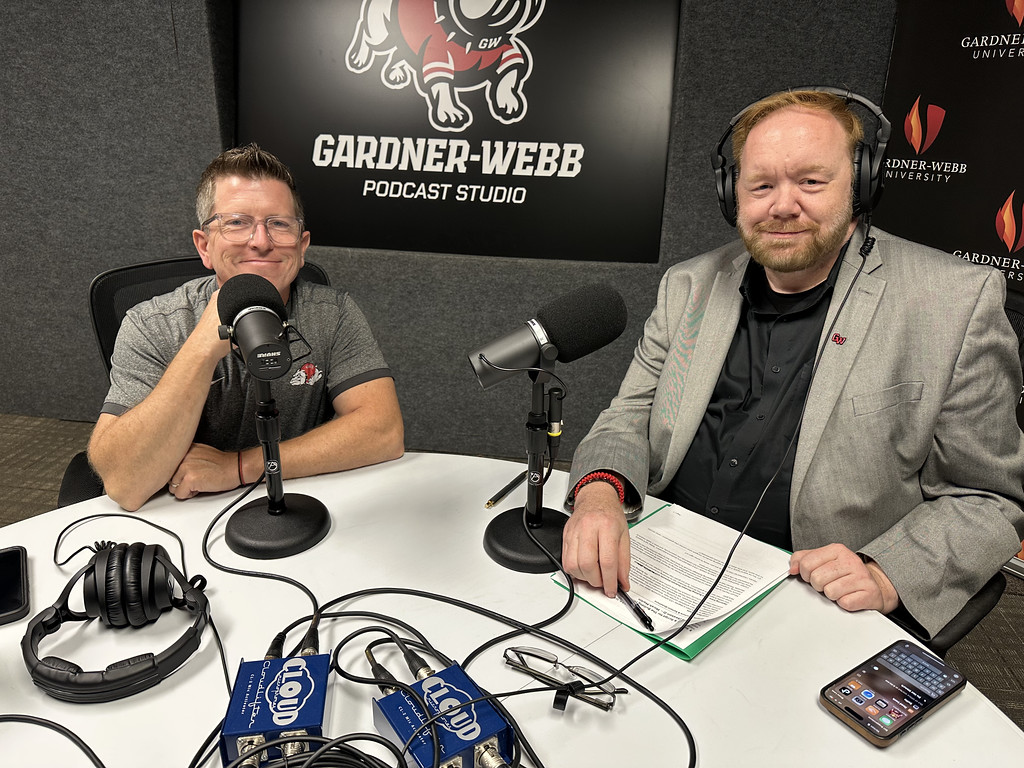
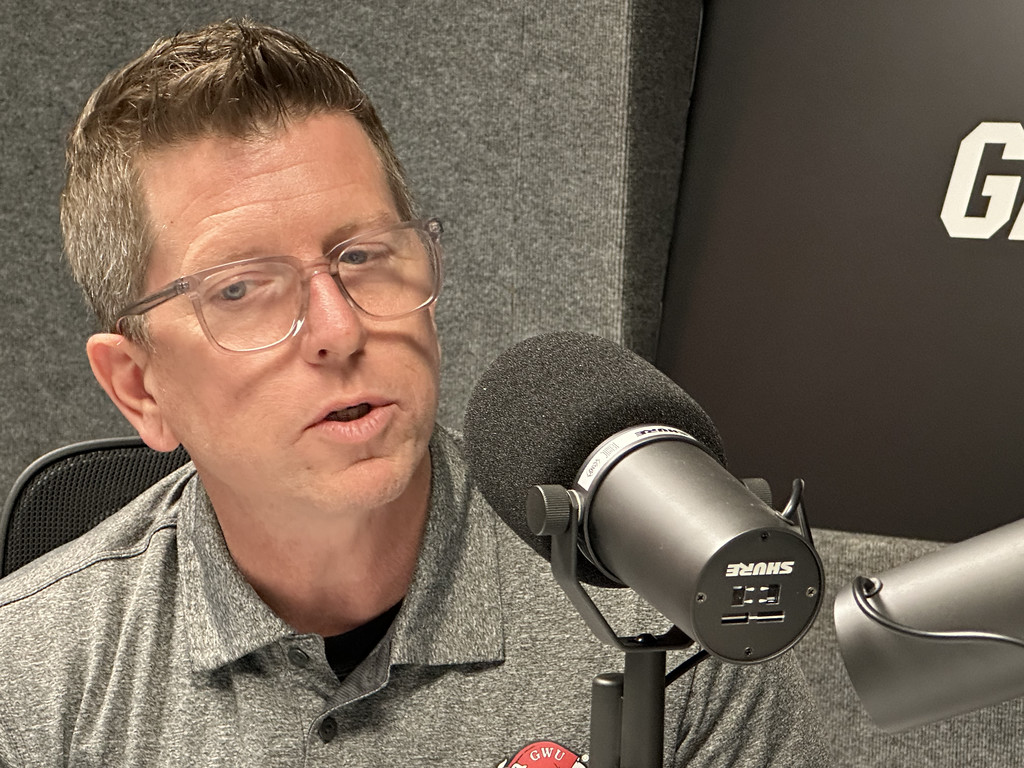
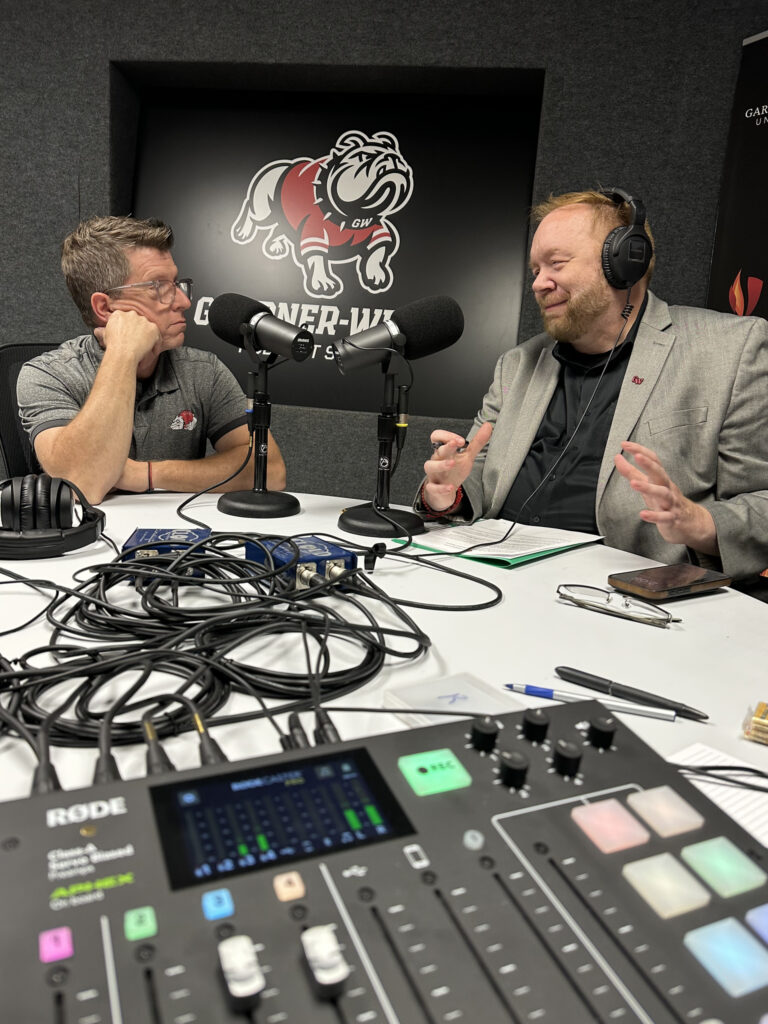
What does it really mean to be “career ready”? For many students, the phrase can feel abstract — another box to check before walking across the stage at graduation. But as I learned in my recent conversation with Micah T. Martin, Director of the Center for Personal and Professional Development at Gardner-Webb University, career readiness is far more than a checklist. It’s about developing the confidence, adaptability, and skills that carry you well beyond your first job.
Micah’s perspective comes not only from years in higher education but also from his work expanding Gardner-Webb’s career programming by more than 80% in recent years. From workshops and one-on-one coaching to building strong employer partnerships, his team has transformed the way students prepare for their futures.
What Employers Really Want
One of the key points Micah shared is that employers are not just looking for technical skills or perfect résumés. They want students who are trainable, adaptable, and proactive. Initiative and the ability to learn quickly often outweigh the details of a GPA or a major. In fact, the ability to ask good questions and know when to seek help can make the difference between standing out and being overlooked.
Debunking Career Myths
We also tackled some common myths. For example, the idea that résumés must always fit on one page — Micah explained why that “rule” is outdated and why relevance matters more than length. Another myth: that career preparation only happens in internships. In reality, part-time jobs, campus involvement, and even volunteer work can all showcase transferable skills like leadership, teamwork, and problem-solving.
Stories of Success
Perhaps the most inspiring part of our conversation was hearing about students who leaned into career preparation and saw their lives change. Micah highlighted students who used campus resources to secure internships, landed full-time positions before graduation, and entered the workforce with confidence. These stories show that intentional preparation is not theoretical — it pays off.
Practical Advice for Students
For current students (and even recent graduates), Micah offered practical advice you can act on today:
- Take advantage of the career resources your campus provides — don’t wait until senior year.
- View every experience, from part-time jobs to leadership roles in clubs, as a chance to build your résumé.
- Practice telling your story — employers hire people, not bullet points.
- Cultivate adaptability. Being open to feedback and willing to learn will serve you in every stage of your career.
Final Thoughts
Career readiness isn’t about perfection. It’s about preparation, practice, and the willingness to keep learning. As Micah put it, higher education works best when it connects what happens in the classroom to the opportunities waiting beyond it.
For students at Gardner-Webb and beyond, the message is clear: start now, stay adaptable, and use every opportunity to grow.